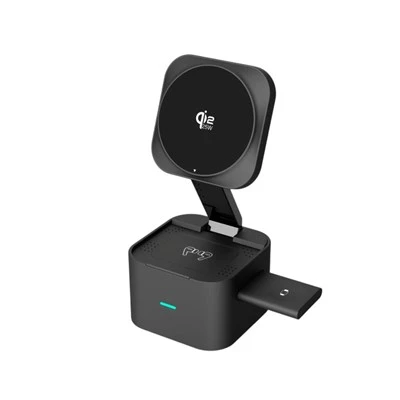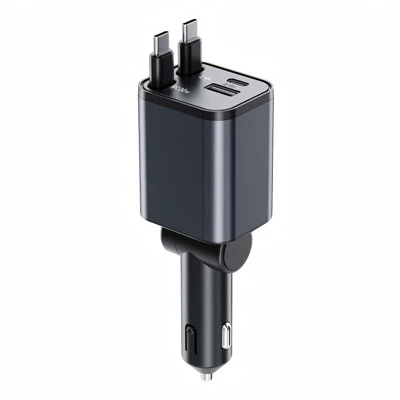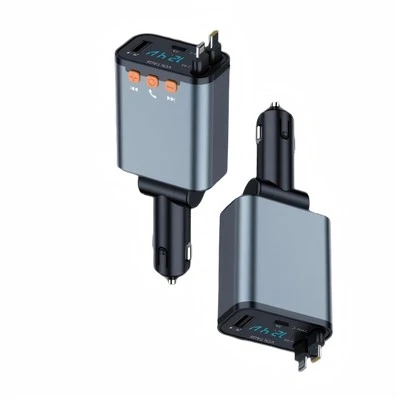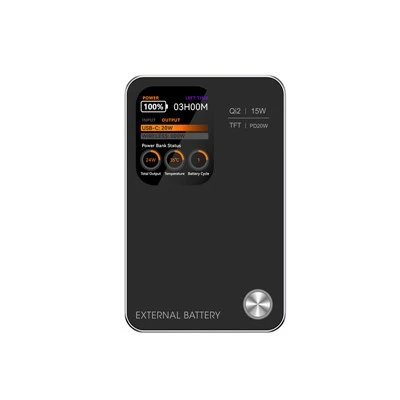

With the rapid development of smart vehicles and mobile devices, in-car wireless charging has become a practical feature in many modern vehicles. Compared with traditional wired charging methods, in-car wireless charging uses wireless power transfer technology to provide users with a more convenient and efficient charging experience. However, understanding the proper usage considerations is important for improving charging performance, ensuring safety, and extending product lifespan.
The first important factor when using in-car wireless charging is device compatibility. Different smartphone models and electronic products may support different wireless charging standards. Before use, users should confirm whether their devices support wireless charging and understand the related charging requirements. Choosing a suitable in-car wireless charger can help prevent charging failures or reduced charging efficiency.
Keeping the charging area clean is also an important consideration. Wireless charging relies on energy transfer between the transmitter coil and receiver coil. If there are metal objects, foreign materials, or thick protective cases between the charger and the device, charging performance may be affected and safety risks may increase. Therefore, users should keep the phone surface and charging area clean to ensure stable operation.
Temperature management is another factor that should be considered during use. The internal environment of a vehicle can be affected by weather conditions and operating time, and extreme temperatures may influence charging performance. Long-term use in high-temperature environments may increase heat generation, so proper ventilation and suitable operating conditions are recommended.
In addition, proper charging habits are important for maintaining stable performance. During driving, users should avoid frequently moving the device or changing its charging position, as this may interrupt the charging process. Selecting wireless charging products with safety features such as temperature protection, overcurrent protection, overvoltage protection, and foreign object detection can further improve reliability.
Regular inspection of the in-car wireless charger is also necessary. If abnormal heating, charging interruptions, or physical damage are detected, users should stop using the device and check its condition.
In the future, as smart vehicle technology continues to advance, in-car wireless charging will further improve in functionality and performance. Through proper operation and maintenance, users can fully enjoy the advantages of wireless charging and experience a safer, more efficient, and smarter mobile charging solution.