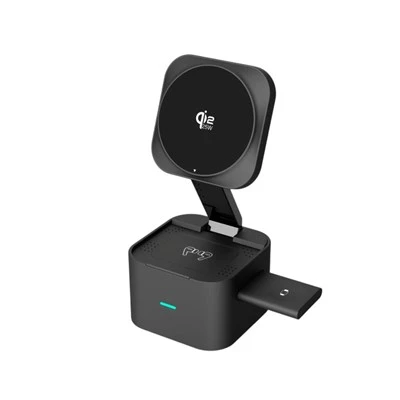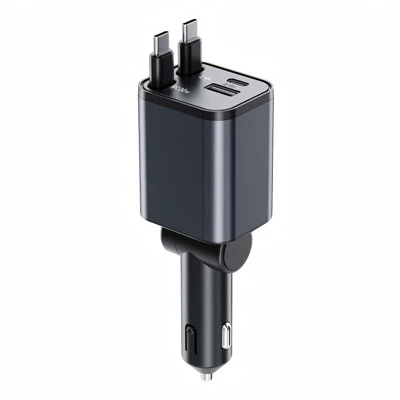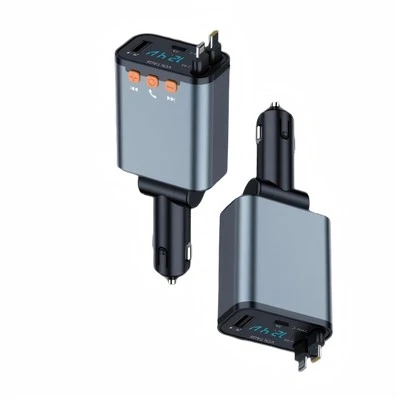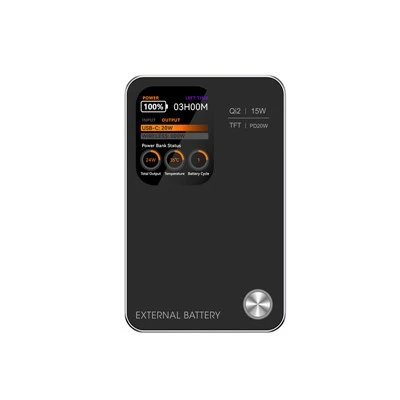

With the rapid development of intelligent vehicles, in-car wireless charging technology is becoming an increasingly important feature in modern automobiles. Compared with traditional car charging methods, in-car wireless charging uses wireless power transfer technology to provide drivers and passengers with a more convenient and efficient charging experience. Today, in-car wireless charging not only meets smartphone charging needs but also supports the transformation of vehicle interiors into smarter and more connected spaces.
The primary function of in-car wireless charging is to provide a fast and convenient power solution for mobile devices. During daily driving, users can simply place a compatible smartphone in the designated charging area to start charging automatically without connecting cables. This reduces the need for handling charging wires while driving, improves convenience, and helps maintain a cleaner vehicle interior.
Beyond basic charging, in-car wireless charging also enhances the overall driving experience. Modern vehicles are increasingly focused on smart cockpit development, and wireless charging systems are often integrated with vehicle technologies to create a more complete intelligent mobility experience. While using navigation, music streaming, or communication functions, smartphones can maintain sufficient battery power and avoid interruptions caused by low battery levels.
In-car wireless charging also provides value through multi-device compatibility. As smartphones, wireless earbuds, and wearable devices become more common, the demand for convenient charging solutions inside vehicles continues to grow. High-quality in-car wireless chargers use smart recognition technology to adjust charging power based on device requirements, improving efficiency and supporting different types of electronic products.
Safety improvements are also an important part of modern in-car wireless charging development. Many advanced products include features such as temperature monitoring, overcurrent protection, overvoltage protection, and foreign object detection to reduce potential charging risks and improve reliability. Optimized structural designs and thermal management systems also help ensure stable long-term operation.
In the future, with the growth of electric vehicles, smart cars, and connected vehicle technologies, the applications of in-car wireless charging will continue to expand. It will become more than just a charging accessory and serve as an important component of the intelligent vehicle ecosystem. Through continuous innovation, in-car wireless charging will deliver a smarter, more comfortable, and more efficient mobility experience for users worldwide.