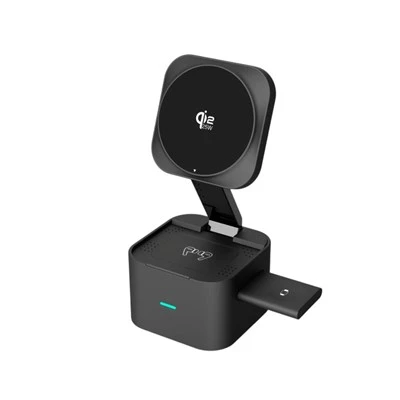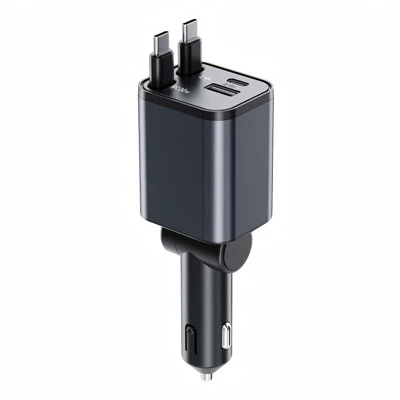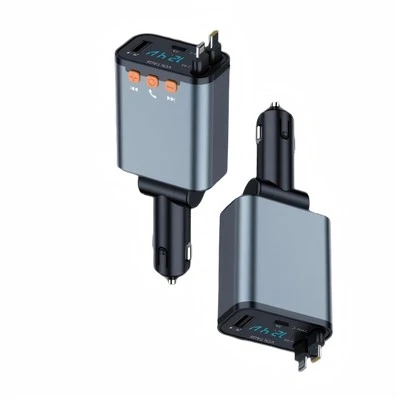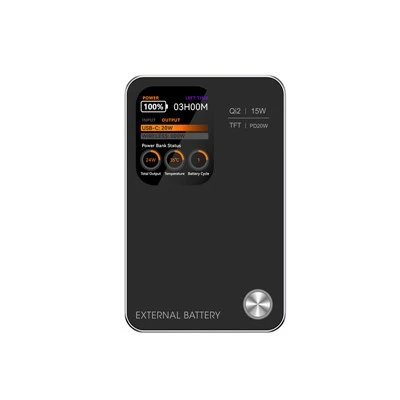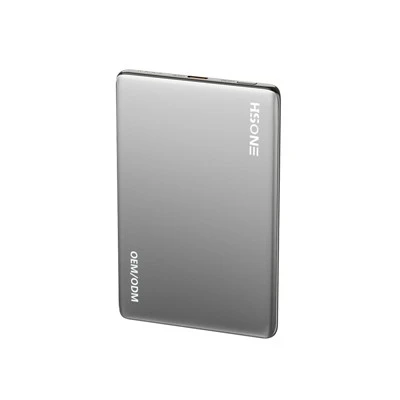

With the rapid growth of smart vehicles and mobile electronic devices, in-car wireless chargers have become an important part of intelligent vehicle systems. A high-quality in-car wireless charger requires not only stable charging performance but also optimized design, suitable materials, strong safety features, and an improved user experience. Proper design elements and high-quality materials are essential for enhancing product performance and service life.
In terms of design, charging efficiency is one of the most important considerations for in-car wireless chargers. The internal coil arrangement, circuit design, and power transfer structure directly affect charging speed and stability. An effective design ensures accurate alignment between the transmitter coil and the device receiver area, reducing energy loss and improving wireless charging efficiency. Intelligent recognition systems are also important design components, allowing the charger to automatically adjust power output according to different devices for a more stable charging process.
Thermal management is another critical design factor. Since vehicle interiors experience different temperature conditions, wireless chargers need effective heat control capabilities. By optimizing cooling structures, adding thermal conductive materials, and improving internal layouts, manufacturers can reduce operating temperatures and enhance long-term reliability.
In terms of manufacturing materials, in-car wireless chargers usually combine different materials to meet various functional requirements. Housing materials often include durable plastics, metals, or composite materials, which protect internal components while improving product appearance and structural strength. Some advanced products use aluminum alloy materials to provide better heat dissipation and stronger durability.
For internal components, coil materials, circuit boards, and magnetic materials have a significant impact on wireless charging performance. High-quality copper coils improve power transmission efficiency, while advanced magnetic materials enhance energy transfer and reduce power loss. Reliable electronic components also support safety functions such as temperature protection, overcurrent protection, and overvoltage protection, improving overall product safety.
In addition, in-car wireless chargers must consider installation methods, user convenience, and appearance design. The product should adapt to different vehicle environments, provide stable installation, and allow users to easily place and remove devices during daily driving.
In the future, with the development of smart cockpits, electric vehicles, and wireless charging technologies, in-car wireless chargers will continue to improve through material innovation, structural optimization, and intelligent features. By combining advanced design concepts with high-performance materials, in-car wireless chargers will deliver safer, more efficient, and smarter mobile charging experiences for users.