
With the rapid growth of smart devices, users are demanding more convenient and efficient charging solutions. Although traditional wired charging remains widely used, it still has limitations such as connector wear, cable management issues, and inconvenient operation. Compared with wired charging, wireless charging technology offers advantages including convenience, efficiency, safety, and intelligent functions, making it an important direction for the development of modern electronic products.
The biggest advantage of wireless charging is its convenience. Users no longer need to repeatedly connect charging cables and can simply place a compatible device on the charging area to start powering the device. This cable-free experience reduces limitations and makes the charging process easier, especially in environments such as homes, offices, and vehicles, improving everyday usability.
Wireless charging also provides better protection for devices. Traditional charging methods require frequent plugging and unplugging, which may cause long-term wear on charging ports. Wireless charging reduces physical contact and helps extend the service life of device connectors. In addition, modern wireless charging products are usually equipped with intelligent protection systems, including temperature monitoring, overcurrent protection, overvoltage protection, and foreign object detection, ensuring safer and more stable charging performance.
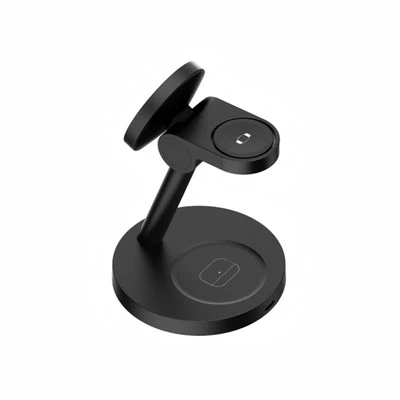
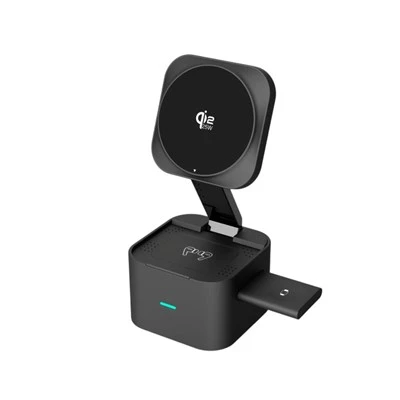
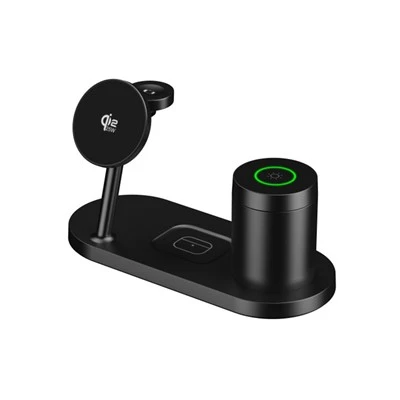
Compatibility is another important advantage of wireless charging. As wireless charging standards continue to improve, more smart devices support wireless charging functions, including smartphones, wireless earbuds, and smartwatches. Some wireless charging products also support multiple devices at the same time, helping users manage different devices more efficiently.
Wireless charging also offers better space flexibility and a cleaner design. Compared with traditional charging cables, wireless chargers provide a simpler appearance and integrate more naturally into modern work and living environments. In applications such as automotive systems, smart homes, and public spaces, wireless charging is helping create smarter and more convenient user experiences.
In the future, with continuous advancements in fast-charging technology, intelligent control systems, and wireless power transmission, the advantages of wireless charging will become even more significant. Higher efficiency, stronger compatibility, and smarter functions will help wireless charging become an essential technology in intelligent lifestyles, providing users with more convenient, safer, and more efficient power solutions.