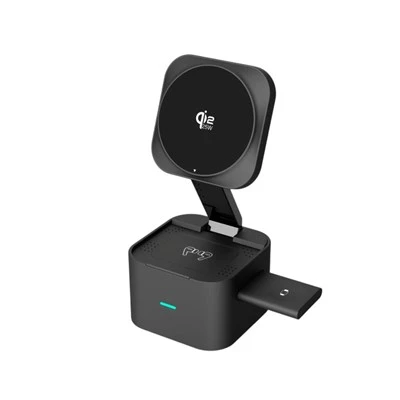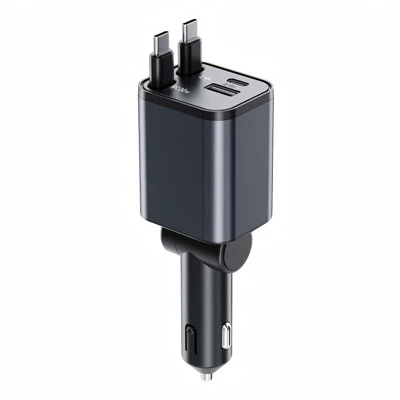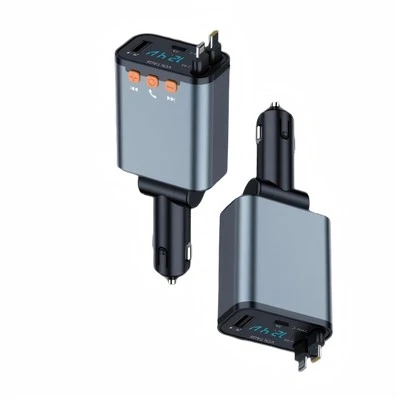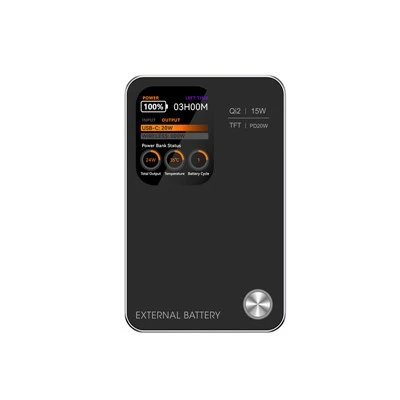

With the continuous growth of automotive electronic devices and smart mobile terminals, car chargers have become an important accessory in modern vehicles. A high-performance car charger must not only provide stable power output but also achieve safe, efficient, and durable operation through optimized structural design. The internal structure of a car charger consists of multiple functional components, each playing an important role in overall performance.
The main structure of a car charger usually includes an input interface, power conversion module, control chip, output interface, and safety protection components. The input interface is the key connection between the charger and the vehicle power system, responsible for receiving electrical energy from the vehicle. Common input methods include cigarette lighter sockets, USB interfaces, and dedicated vehicle power connections, supporting different installation requirements.
The power conversion module is one of the core components of a car charger. Since vehicle power output and electronic devices require different voltage levels, the charger uses conversion circuits to perform voltage reduction, stabilization, and current adjustment. A high-quality conversion module can reduce energy loss and improve charging efficiency.
The control chip is another essential part of modern car charger structures. Through intelligent control systems, car chargers can detect connected devices and adjust output power based on different requirements. The control chip also manages the charging process, improving device compatibility and operational stability.
Safety protection components are an important part of car charger design. To prevent issues caused by voltage fluctuations or abnormal operating conditions, modern car chargers usually include protection functions such as overcurrent protection, overvoltage protection, overheating protection, and short-circuit protection. When abnormal conditions are detected, the system can adjust output or stop operation to improve device and user safety.
The external structural design also affects the overall user experience. High-quality car chargers usually feature compact designs for easy installation and portability. At the same time, optimized ventilation structures, heat-conductive materials, and housing designs improve heat dissipation and ensure stable long-term operation.
In addition, with the development of fast-charging technology and smart vehicles, car charger structures are continuously improving. Multi-port designs, intelligent recognition systems, advanced cooling solutions, and more compact internal layouts are becoming important trends in next-generation car charger development.
In the future, through structural innovation and technological advancement, car chargers will achieve higher efficiency, stronger safety, and smarter functions, providing users with more convenient and reliable mobile charging solutions.