
With the increasing popularity of smartphones, tablets, smart wearable devices, and other electronic products, power banks have become common portable energy solutions in daily life. Facing a wide range of products with different features and specifications, choosing a safe, reliable, and suitable power bank has become an important consideration for consumers. Making the right choice can improve charging efficiency while ensuring better device protection.
When selecting a power bank, battery capacity is one of the first factors to consider. Capacity is an important measurement of energy storage capability and is usually expressed in mAh. A higher capacity generally provides longer power support for devices. However, users should choose according to actual needs. Lightweight models may be suitable for daily use, while higher-capacity products are better for long trips or outdoor activities.
Charging speed is another important factor when choosing a power bank. As smart devices require faster charging performance, power banks with fast-charging technology are becoming increasingly popular. Users should check whether the product supports common fast-charging protocols and confirm compatibility with their devices. Suitable fast-charging features can reduce charging time and improve overall convenience.
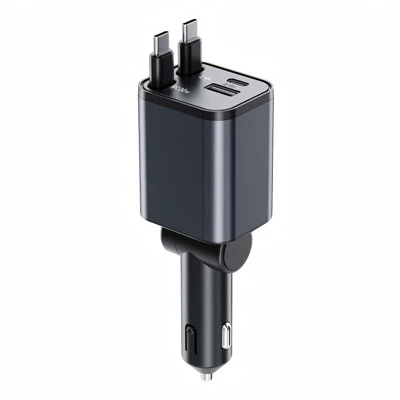
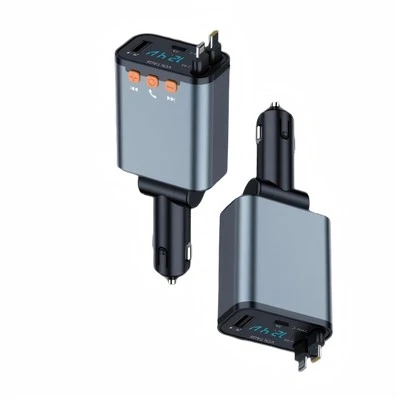
Interface type also affects the user experience. Common interfaces include USB-A and Type-C, and different devices may require different connection standards. Users should select products based on their personal device requirements. Power banks with multiple interfaces can charge several devices at the same time, making them more suitable for users with multiple smart devices.
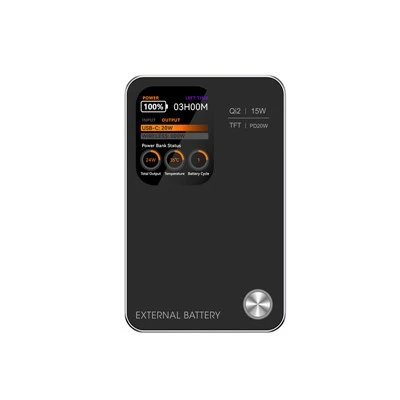
Safety performance is a key factor that should not be overlooked. High-quality power banks usually include protection systems such as overcharge protection, over-discharge protection, overcurrent protection, overvoltage protection, and overheating protection. These safety features help reduce potential risks and ensure stable operation of both the power bank and connected devices.
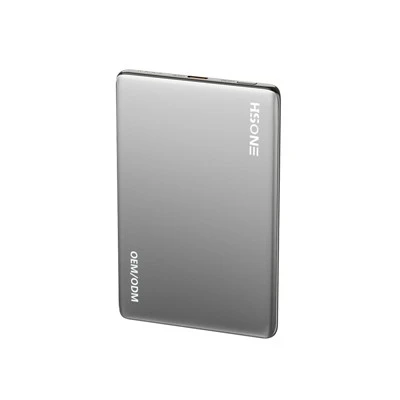
Weight and portability are also important considerations in real-world use. Although higher-capacity power banks provide more energy, they are usually larger and heavier. Users should select suitable sizes based on usage scenarios. Lightweight models are convenient for everyday carrying, while larger models may be more suitable for travel and outdoor activities.
In addition, product quality, brand reliability, and material design can influence the service life of a power bank. High-quality products usually use reliable battery cells and effective heat dissipation designs to provide better long-term performance.
In the future, with continuous advancements in battery technology and smart charging systems, power banks will continue to develop toward higher capacity, faster charging speeds, lighter designs, and more intelligent functions. By considering capacity, charging speed, safety features, and personal needs, users can choose the right power bank and enjoy a more convenient and secure mobile charging experience.