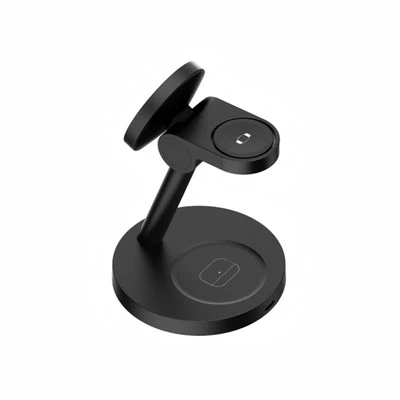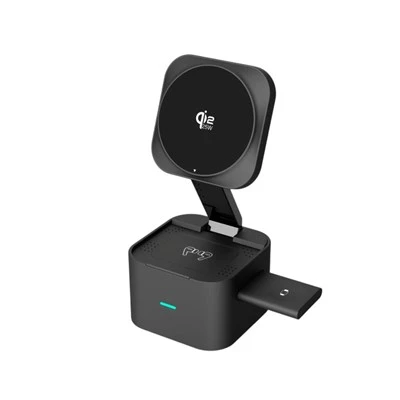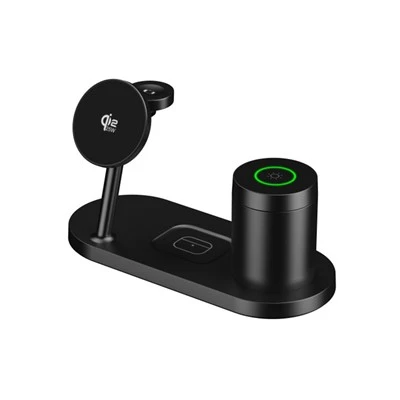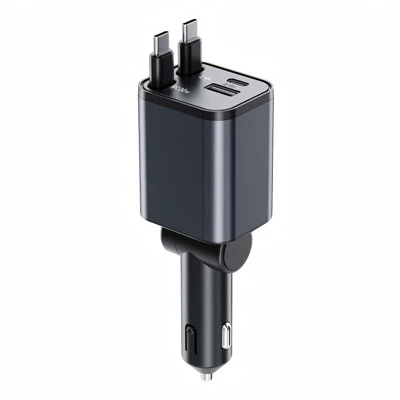

With the rapid development of smart electronic devices, consumer expectations for charging solutions are continuously evolving. Compared with traditional wired charging methods, wireless charging has become an important feature in modern technology products due to its convenience, safety, and intelligent functions. Wireless charging is not only changing the way people power their devices but also creating a more efficient connection between smart products and energy solutions.
One of the most important features of wireless charging is the elimination of traditional charging cables. Users only need to place a compatible device on the charging area to start charging without repeatedly connecting and disconnecting cables. This more flexible charging method reduces cable wear while improving everyday convenience, making it suitable for various environments such as homes, offices, and vehicles.
High compatibility is another key advantage of wireless charging technology. Many wireless charging products follow widely adopted technical standards, allowing different devices and brands to share the same charging solution. Smartphones, wireless earbuds, smartwatches, and other electronic products can benefit from a more convenient charging experience. Some wireless chargers also support multiple devices at the same time, further improving charging efficiency.
Safety is a critical factor in the development of wireless charging technology. Modern wireless charging devices are usually equipped with intelligent control systems that monitor charging conditions in real time and adjust power output according to device requirements. Features such as temperature protection, overcurrent protection, overvoltage protection, and foreign object detection help reduce potential risks and provide users with a more stable and reliable charging experience.
Wireless charging products are also moving toward greater intelligence. With continuous improvements in chip technology and control systems, wireless chargers can achieve more accurate power management, improved energy conversion efficiency, and smarter device recognition, making the charging process more automated and convenient.
In the future, wireless charging will play an increasingly important role in smart homes, automotive electronics, mobile workplaces, and other intelligent applications. With advantages including convenience, efficiency, safety, and smart functionality, wireless charging technology will continue to transform modern lifestyles and provide more advanced energy solutions for the digital era.