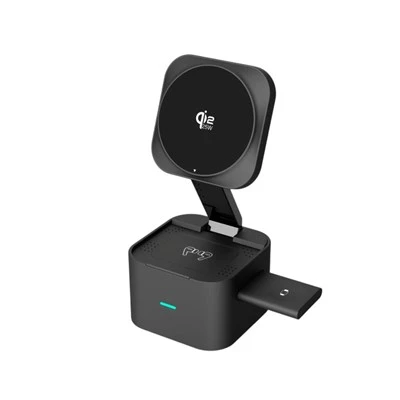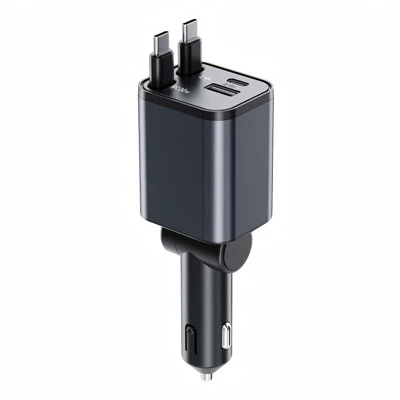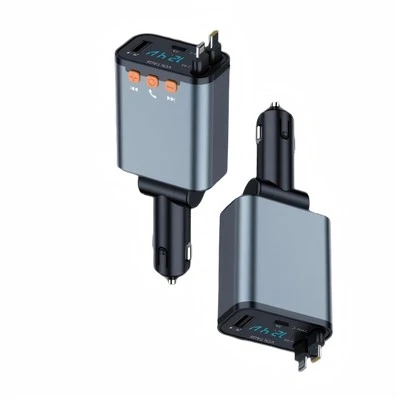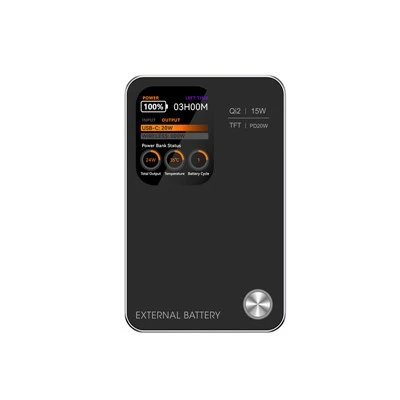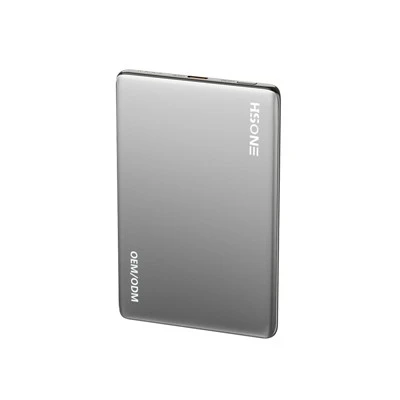

With the widespread use of smartphones, tablets, smart wearable devices, and other electronic products, the demand for mobile power support continues to increase. As a portable energy storage device, power banks have become common electronic products in modern life due to their compact size, portability, and flexible usage. They provide continuous power support for various mobile devices in environments without fixed power sources, improving overall user convenience.
The most basic feature of a power bank is portability. Unlike traditional fixed charging methods, power banks contain built-in battery storage modules that allow them to store energy in advance and provide power when needed. Their lightweight design enables users to carry them easily and meet charging needs during travel, outdoor activities, business trips, and other situations.
Energy storage capacity is one of the most important performance features of power banks. Most power banks use built-in lithium batteries to store electrical energy. Depending on battery capacity, different products can provide different levels of charging support for electronic devices. Generally, higher capacity allows longer power support and better meets the needs of users during extended periods away from power outlets.
Multi-device compatibility is also an important feature of modern power banks. Many products are equipped with various interfaces such as USB and Type-C, allowing them to support smartphones, tablets, wireless earbuds, smart watches, and other electronic devices. Some power banks can charge multiple devices simultaneously, improving efficiency and meeting users' multi-device charging needs.
Intelligent functions are becoming an important development trend for power banks. Modern power banks use smart chips to manage current and voltage output, automatically adjusting charging parameters based on different devices to improve stability. Some products also support fast-charging technologies, reducing charging time and providing a more efficient user experience.
Safety performance is another essential part of power bank design. High-quality power banks usually include protection features such as overcharge protection, over-discharge protection, overcurrent protection, overheating protection, and short-circuit protection. These functions help reduce safety risks during operation. In addition, effective battery management systems can extend product lifespan and improve overall reliability.
Power banks also have a wide range of applications. From daily commuting and outdoor travel to business work and emergency backup power, they provide valuable energy support in various situations. With continuous advancements in energy technology and smart devices, power banks are evolving toward higher capacity, faster charging speeds, and more intelligent functions.
In the future, power banks will continue to serve as an important energy connection between users and smart devices. Through technological innovation, they will meet growing mobile power demands and provide more stable, convenient, and reliable energy support for modern digital lifestyles.