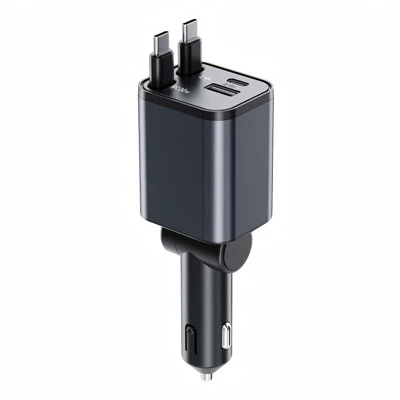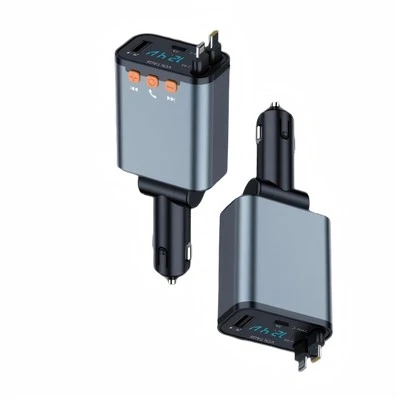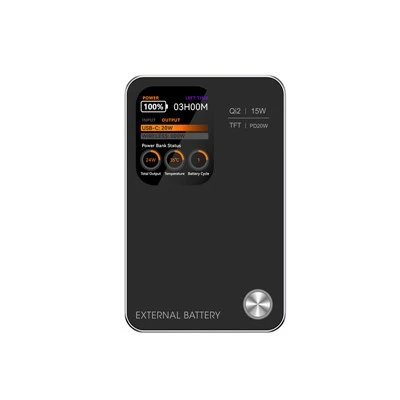

With the continuous development of smart devices and automotive electronics, car chargers have become an essential accessory for modern travel. Whether using navigation, communication services, or entertainment applications, electronic devices require stable and reliable power support. A car charger works by converting vehicle power into suitable electrical energy for electronic devices, providing convenient charging solutions in mobile environments. But how exactly does a car charger operate?
The basic working principle of a car charger is to obtain power from the vehicle's electrical system and convert it into a stable output voltage required by electronic devices through internal circuits. In most cases, the vehicle power system receives energy from the battery and generator, while the car charger connects to the vehicle power source and processes the input electricity through voltage reduction, rectification, and regulation before delivering power through USB ports or other output interfaces.
The main components inside a car charger include power management chips, conversion circuits, control modules, and safety protection systems. The power management chip regulates current and voltage and intelligently distributes output power based on the requirements of connected devices, ensuring stable charging performance. The conversion circuit is responsible for transforming vehicle power into a suitable electrical format for devices such as smartphones and tablets.
Smart recognition technology is one of the key features of modern car chargers. Through intelligent chips, car chargers can identify different device charging requirements and automatically select suitable charging modes to improve efficiency. Some advanced products support fast-charging technologies and can adjust output parameters according to device conditions, reducing charging time and providing a more efficient user experience.
Safety protection is also an important part of car charger design. Since vehicle power systems may experience voltage fluctuations, modern car chargers are usually equipped with protection features such as overcurrent protection, overvoltage protection, overheating protection, and short-circuit protection. When abnormal conditions occur, the system can automatically adjust or cut off power to reduce the risk of device damage and improve safety.
In the future, with the development of electric vehicles, smart cars, and connected vehicle technologies, car chargers will continue to evolve toward higher efficiency, smarter functions, and improved safety. Through advanced power management technologies and intelligent control systems, car chargers will continue to provide users with more reliable, convenient, and efficient mobile charging solutions.